









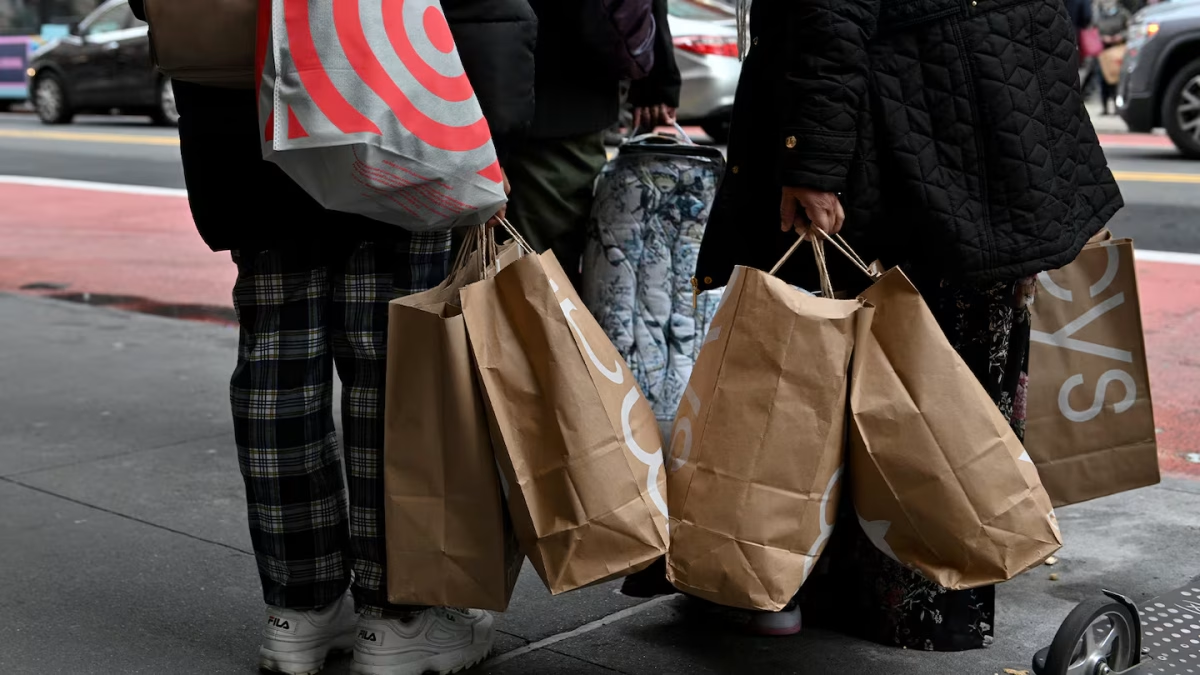
The time that it takes for you to walk to your next block class, companies like Temu and Shein are adding at least 100 different items to their site in that time. No longer are styles in season, they barely last you your entire block! And little did you know that your brand new and trendy $7 top actually cost the whole world 2,700 liters of water, your jeans? It cost the world 7,800 liters. More than enough water to last you the rest of your high school career. Are the clothes ever worth it, absolutely not. Yet with this discussion is it Gen Z’s fault or the rise of fast fashion trends and pressure on sites like tiktok and instagram?
This current state of teenage consumerism with high schoolers being in the middle of the fast fashion paradox, with 90% of teens purchasing fast fashion. Teens are always driven to want to stay on trend due to the feeling of FOMO aka the feeling of missing out, a psychological experience caused by the exposure to social media. This feeling helps fuel the immense pressure on Gen Z to be constantly updating their wardrobes. I interviewed a fellow GenZer, Aameera Goff, a Junior if she experiences FOMO, “Yes! Yes absolutely, it’s like one of my worst fears.” FOMO haunts GenZ strongly, even me. Feeling left out is absolutely one of my biggest fears, even if it seems silly, I constantly worry if someone is doing something without me. Or if a trend is ending when I haven’t even discovered it.
These trends and the rapid changes cause severe environmental and ecological consequences that you can’t see in the high school hallways. The term fast fashion according to earth.org is “cheaply produced and priced garments that copy the latest catwalk styles and get pumped quickly through stores in order to maximize on current trends.” In general the fashion industry takes up 10% of global carbon emissions according to CarbonLiteracy. The three main causes for such a high number of emissions are dyeing and finishing, yarn preparation, and fibre production. Yet a lot of GenZ are aware of these companies sacrificing the earth just for cute clothes.
When you wake up you dont ever expect to spend $50 on items you saw a random influencer on tiktok buy, yet you do. Influencers have a significant impact on the GenZ generation through trends like “dupes” which promote a cheaper alternative to an expensive product. Young people drive their purchases through authenticity from “niche” influencers and entertainment making it seem more realistic. Next time you see an influencer promoting this popular dupe, just buy the actual thing. Unless it’s ridiculously expensive.
Now while the Gen Z generation is the main target for fast fashion and micro-trends, we don’t have to give in to it. We can continue buying secondhand and upcycling, getting clothes that will last us years from now. Not only benefiting us but the entire planet. Thrift, buy second-hand, and ask for hand-me-downs from older siblings or parents. We can all work together to end these micro-trends and fast fashion issues.